DCR status is a necessary condition for central residential rooftop subsidy, but it is not a guarantee of payment. By checking the exact module model, approved vendor, sanctioned capacity, MSEDCL interconnection, and installation records, you can distinguish a genuinely eligible Nashik project from a quotation that merely uses the word “DCR.”
Key takeaways
- DCR panels satisfy a mandatory PM Surya Ghar compliance condition.
- Verify the module model, manufacturer, cell origin and DCR documents before installation.
- Match system capacity to your sanctioned load and subsidy rules.
- Keep approvals, invoices, commissioning records and portal acknowledgements for disputes.
Does DCR status make a Nashik rooftop eligible for subsidy?
Yes, DCR is mandatory for an eligible residential consumer claiming central assistance through PM Surya Ghar: Muft Bijli Yojana. The scheme requires domestically manufactured modules using domestically manufactured solar cells. DCR solar panels therefore satisfy a compliance condition; they are not automatically better-performing panels or merely panels with an Indian-origin label.
“Mono PERC” describes cell technology, while DCR describes manufacturing and supply-chain eligibility. A mono-PERC panel can be DCR or non-DCR, so the technology name alone does not establish eligibility. This distinction matters when comparing solar panel subsidy in Nashik quotations.
DCR panels alone do not qualify a commercial, industrial, or other non-residential property for the residential CFA. A Nashik rooftop also needs a registered project, an approved vendor, an accepted module model, installation verification, and commissioning through the required process.
For an eligible residential system, the current central calculation is:
- ₹30,000 per kW for the first 2 kW
- ₹18,000 for the next 1 kW
- Maximum ₹78,000 for an eligible system of 3 kW or more
The payment follows sanctioned and accepted rooftop capacity, not a premium for a brand, panel wattage, or panel count. Six 540 W panels do not create a separate subsidy slab, and installing more non-DCR panels cannot cure non-compliance. Check every condition before relying on a solar panel subsidy in Nashik claim.
How can you verify that a 530 W, 535 W, or 540 W panel is actually eligible?
Before paying, match the exact manufacturer name, model number, rated wattage, module serial number, and manufacturing details across every record:
- Physical nameplate and datasheet
- Quotation and tax invoice
- Portal or scheme records
A salesperson’s assurance is not proof. A label that says only “Indian” is not proof either. Ask the vendor for the DCR or domestic-cell evidence required under the current programme, then retain it with the invoice and complete serial-number list.
The 530 watt DCR Mono PERC panel, 535 watt DCR Mono PERC panel, and 540 watt DCR Mono PERC panel are output classes, not separate subsidy slabs. A 535 W two-panel pack does not prove that a two-panel system, its pack price, or the remaining rooftop installation qualifies.
Confirm that the exact model is listed or accepted for the applicable programme on your application date. Compare the models as follows:
| Option | Technical checks | Eligibility checks |
|---|---|---|
| 530 W DCR Mono PERC | Dimensions, efficiency, operating voltage/current, temperature coefficient, roof loading and shading layout | Exact model, serials and DCR evidence |
| 535 W DCR Mono PERC | Inverter MPPT range, maximum input current, warranties and degradation rate | Portal acceptance and invoice match |
| 540 W DCR Mono PERC | Dimensions, weight, service access and local service support | Manufacturer and manufacturing-record match |
Choose the module that fits the inverter and roof, not simply the highest wattage.
Which Nashik approvals and documents control the subsidy claim?
For a solar panel subsidy in Nashik, the claim moves through two linked but separate tracks: central registration and MSEDCL grid approval. Apply on the national rooftop-solar portal, record the application number, monitor project status, and select a vendor approved for the programme.
- Obtain MSEDCL’s feasibility or interconnection approval before installation.
- Confirm the sanctioned-load condition, meter type, applicable net-metering or settlement route, and current interconnection instructions.
- Complete installation using the registered project details.
- Arrange MSEDCL inspection, meter work, and commissioning.
- Upload commissioning evidence on the portal and retain the acknowledgement.
| Approval | Authority or record | What it controls |
|---|---|---|
| Central subsidy application | National rooftop-solar portal | Residential eligibility, project registration, status, and subsidy processing |
| Feasibility or interconnection | MSEDCL | Grid connection, sanctioned load, meter, and export-settlement requirements |
| Commissioning evidence | Portal, vendor, and MSEDCL records | Proof that the approved system was installed and verified |
Assemble one file containing your electricity bill and consumer number, identity and address proof, bank details, property or roof information when requested, vendor quotation, invoice, module serial numbers, manufacturer and DCR records, installation photographs, inspection or commissioning record, and subsidy-claim acknowledgement.
Before paying, check roof orientation, shade from trees or buildings, monsoon drainage, structural condition, cable routes, maintenance access, and sanctioned load. Allow time for vendor-registration checks, site inspection, net-metering approval, portal updates, and rejected-document corrections. Buying panels before project registration or vendor confirmation can create a claim problem.
How should you size and choose the panel for an eligible system?
Higher-wattage DCR modules do not automatically increase the subsidy. The calculation uses total installed and sanctioned capacity in kilowatts, the programme’s eligible-capacity ceiling, and current scheme rules—not a separate payment for each panel.
Six 530 W modules form a nominal 3.18 kW array; six 540 W modules form 3.24 kW. Neither automatically earns more than the approved capacity allows. Confirm the current cap and accepted capacity with the issuing authority before signing, because scheme rules can change.
| Module option | Subsidy treatment | What to check |
|---|---|---|
| 530 watt DCR Mono PERC panel | Based on eligible system kW | Roof fit, inverter MPPT voltage and input current |
| 535 watt DCR Mono PERC panel | Based on eligible system kW | Dimensions, weight, temperature coefficient and records |
| 540 watt DCR Mono PERC panel | Based on eligible system kW | Larger physical size, spacing, drainage and roof loading |
Higher wattage can reduce module count or roof area, but the module may be larger, heavier, harder to place around shade and drainage, or incompatible with the inverter’s MPPT range and maximum input current.
- A non-subsidy project
- An off-grid system outside the applicable residential route
- A roof constrained by module dimensions
- A quotation without verifiable DCR and model records
A qualified local EPC provider, including Nature Tek Solar Pvt Ltd, should name the sanctioned capacity, exact modules, inverter, structure, wiring, meter work, commissioning scope, exclusions and documentation responsibilities—not promise a blanket subsidy.
Related products
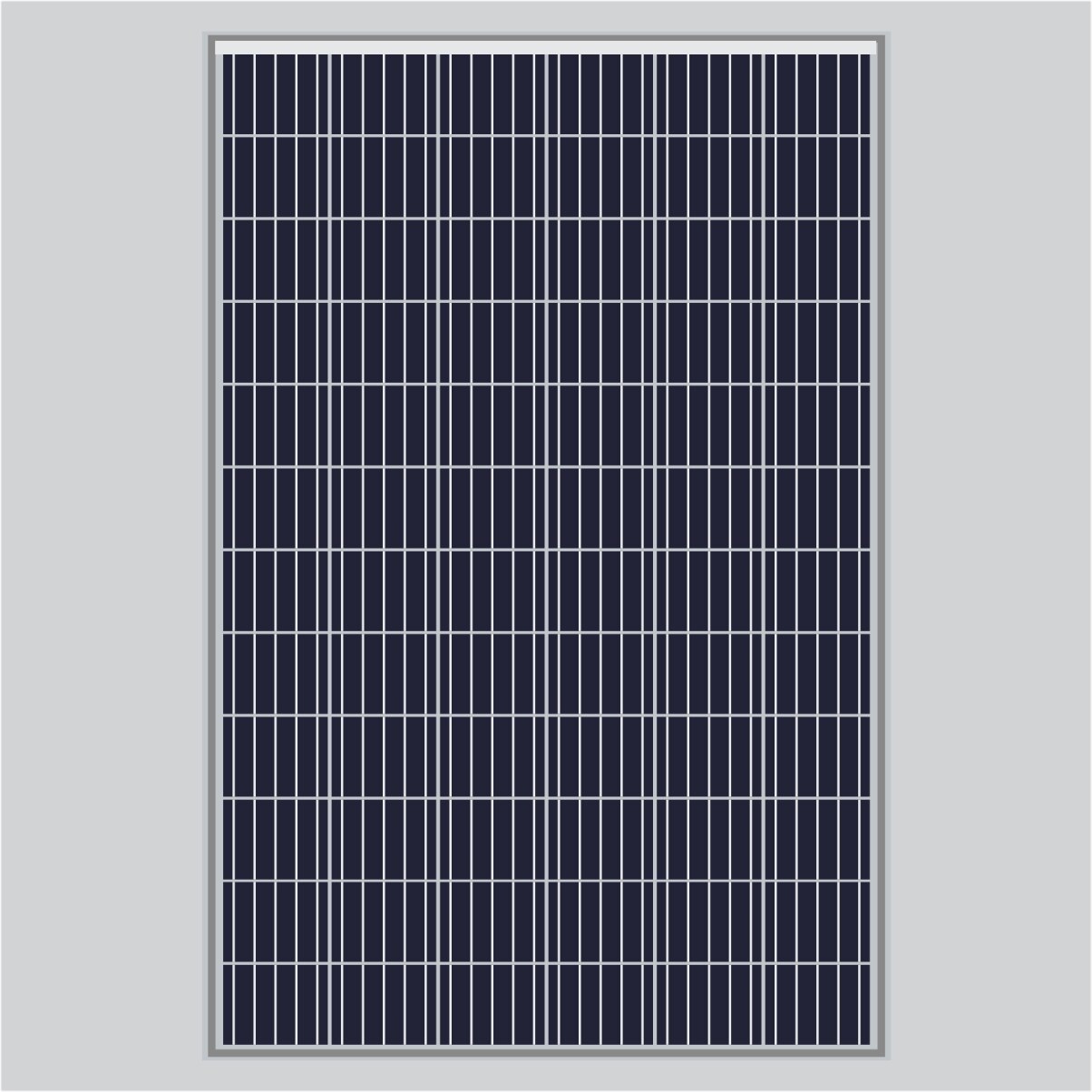 | Solar Panels Solar Panel 335 Watt DCR Poly Crystalline The 335 Watt DCR Polycrystalline Solar Panel is a high-efficiency solar module designed for residential, commercial, and government solar... View product → |
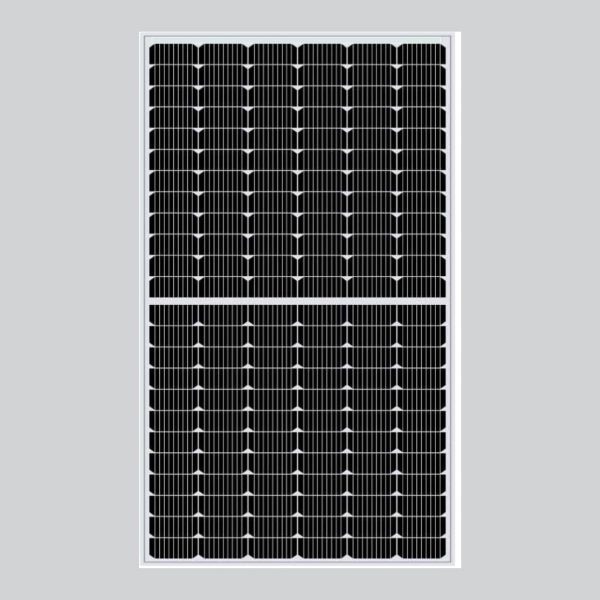 | Solar Panels Solar Panel 530 Watt DCR Mono Perc The 530 Watt DCR Mono PERC Solar Panel is a high-efficiency solar module designed for residential, commercial, and government solar projects. View product → |
What should you do if the subsidy claim is delayed or rejected?
Do not assume DCR solar panels caused the delay—or solved it. Ask the vendor for the portal application number and written rejection or deficiency message, then collect:
- Approved-vendor details, exact module model and serial-number record, and invoice
- DCR or domestic-cell evidence requested by the programme
- Installation photographs, inspection report, and commissioning certificate
- MSEDCL application number, feasibility decision, and net-meter or meter status
Compare every record with your consumer number, sanctioned capacity, applicant name, bank account, property address, and installed equipment. One mismatch can delay a payment even when the modules are DCR.
Record the dates of registration, feasibility approval, installation, inspection, document upload, and each correction. Use the national rooftop-solar portal’s status and grievance route for the central claim. Contact the applicable MSEDCL distribution or interconnection grievance channel for feasibility, net-metering, meter, or commissioning problems.
| Issue or route | Contact first | What to verify |
|---|---|---|
| Central subsidy claim | National rooftop-solar portal | Application status, deficiency, resubmission trail |
| Feasibility or net metering | MSEDCL | Approval, meter process, commissioning record |
| Vendor documentation | Approved vendor | Corrected invoice, serial list, and DCR evidence |
Do not accept a promise to “fix” rejection without a written reason and resubmission record. For solar panel subsidy in nashik, check any ₹78,000 promise carefully: the cap applies to an eligible residential system of at least 3 kW, while structural work, difficult cabling, monitoring upgrades, or utility charges may sit outside the quotation.
DCR improves eligibility only when the documented, approved, installed, and commissioned system satisfies the programme.
Frequently asked questions
Does DCR status make a Nashik rooftop eligible for subsidy?
No. DCR status satisfies the domestic-content condition for eligible residential claims under PM Surya Ghar: Muft Bijli Yojana. You must also meet the scheme, consumer-category, installation, vendor, approval and documentation requirements.
How can you verify whether a 530 W, 535 W or 540 W panel is eligible?
Check the exact module model and manufacturer against the current MNRE-approved list, then request the DCR declaration, domestic-cell details, serial numbers, invoice and installation records. Do not rely on wattage or the phrase “Made in India” alone.
Which Nashik approvals and documents control the subsidy claim?
Keep your electricity consumer number, sanctioned-load details, application and portal records, DISCOM approval, net-metering or commissioning documents, invoice, warranty papers, module serial numbers and photographs. The applicable DISCOM process and PM Surya Ghar portal record control the claim.
How should you size and choose panels for an eligible system?
Choose the system capacity within the scheme limits and your sanctioned load, then confirm inverter compatibility, roof area, shadow conditions, module dimensions and the exact DCR model. A 530 W, 535 W or 540 W rating alone does not determine eligibility.
What should you do if the subsidy claim is delayed or rejected?
Save the rejection message or application status, identify the missing document or compliance issue, and ask the installer or DISCOM for a written correction path. Upload the requested records through the official PM Surya Ghar process and retain every acknowledgement and ticket number.
Related products
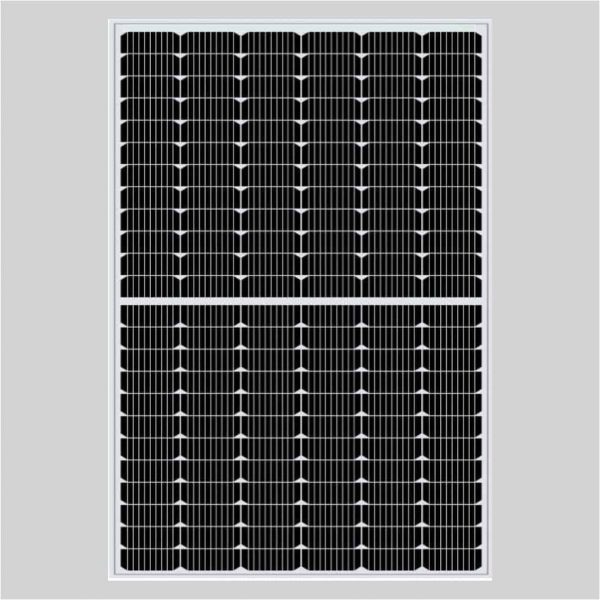 | Solar Panels Solar Panel 540 Watt DCR Mono Perc The 540 Watt DCR Mono PERC Solar Panel is a high-performance solar module designed for residential, commercial, and government solar installations. View product → |
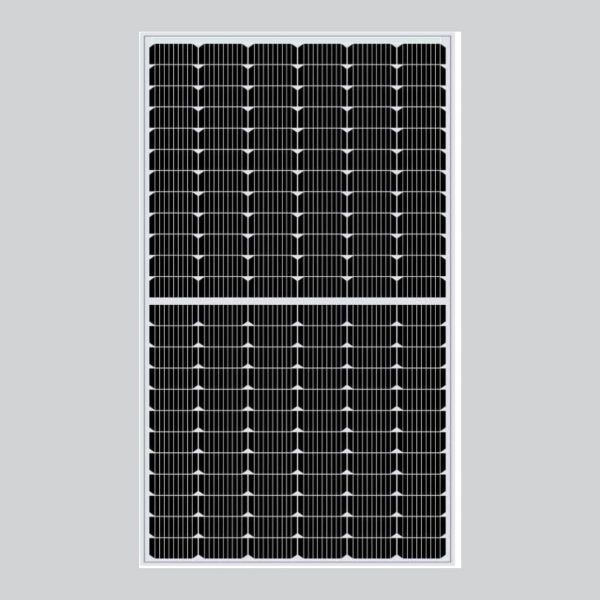 | Solar Panels Solar Panel 535 Watt DCR Mono Perc(Pack of two) The 535 Watt DCR Mono PERC Solar Panel (Pack of Two) is a high-efficiency solar solution designed for residential, commercial, and government solar... View product → |
 | Services Our Solar Rooftop Systems are tailored for residential, commercial, and industrial buildings. View product → |
Keywords