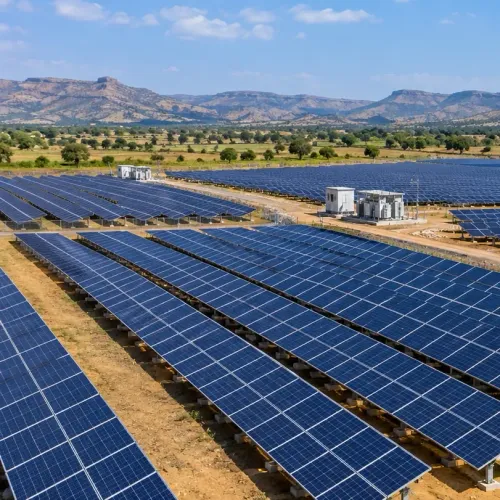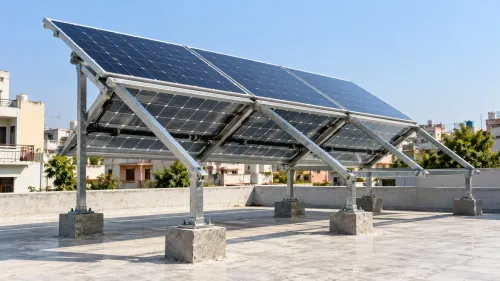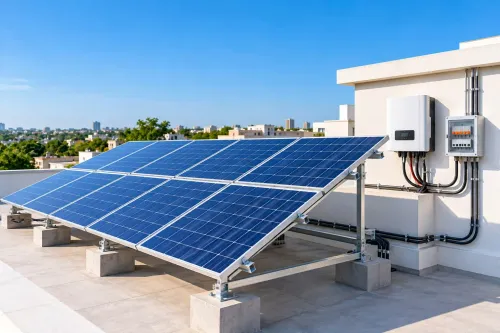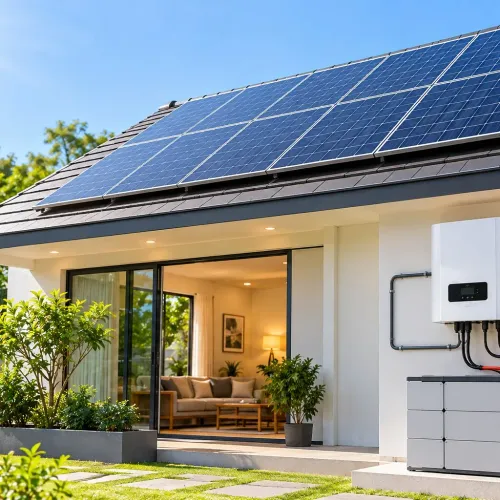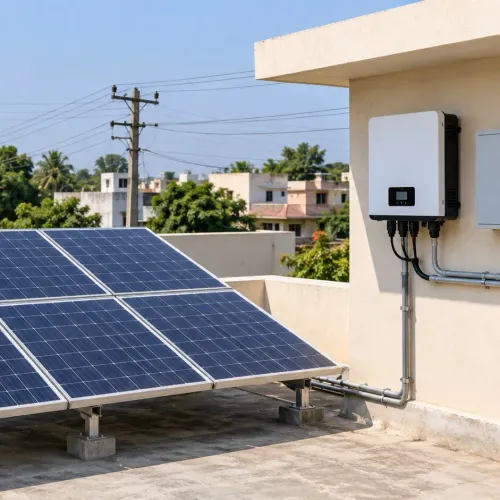
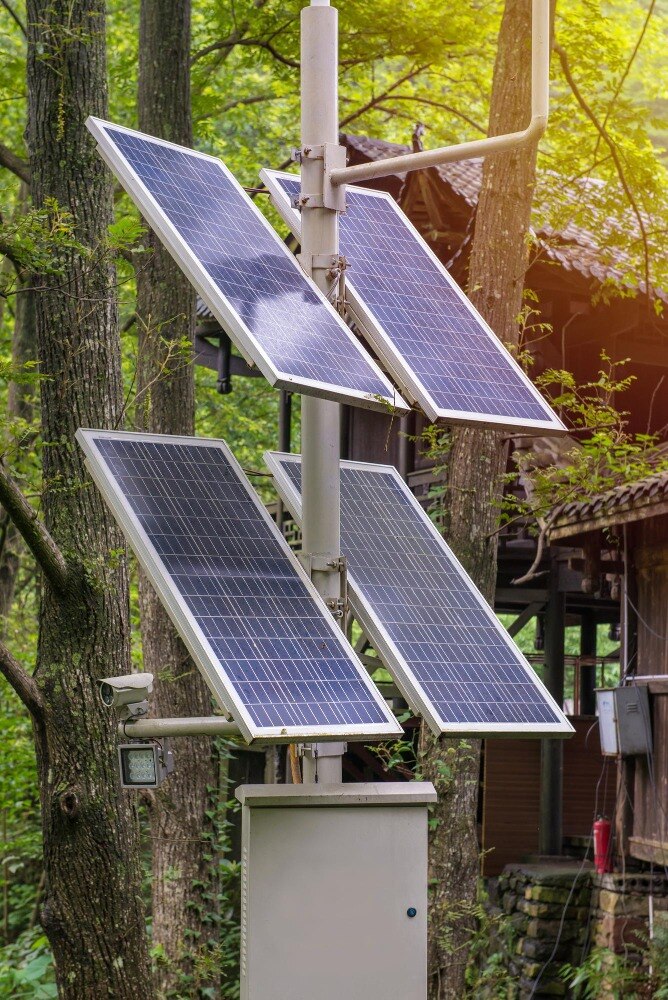
The subsidy is tied to a valid domestic electricity connection and a qualifying grid-connected rooftop photovoltaic installation, not simply to owning a house or wanting solar power. By checking your bill, occupancy documents, connection status, system capacity and DISCOM approvals, you can determine whether your household, rented home or housing society can apply and how much central assistance is available.
Key takeaways
- A valid grid-connected domestic electricity connection is essential.
- Tenants can apply with owner consent and permission to use the roof.
- The central subsidy is capped at ₹78,000 for systems above 3 kW.
- Register, install through an approved vendor, and complete DISCOM inspection and metering.
Who qualifies as an individual household applicant?
A residential electricity consumer can apply if the household has a valid, grid-connected domestic electricity connection. PM Surya Ghar Yojana eligibility depends on the electricity connection and the ability to install an approved rooftop system, not on income-tax status, BPL status, caste, or ownership of a detached house.
The applicant is normally the consumer recorded against that connection.
Check the latest electricity bill for these details:
| Bill detail | What it should show | Why it matters |
|---|---|---|
| Consumer number | The unique number assigned to the connection | It identifies the household application on the PM Surya Ghar portal |
| Tariff category | Domestic, residential, or the equivalent household category | It distinguishes an eligible home connection from a shop or office connection |
| DISCOM name | The electricity distribution company serving the premises | The DISCOM handles approval, inspection, metering, and commissioning |
| Connection status | An active grid-connected supply | A disconnected or unapproved connection cannot support the application |
| Sanctioned load | The approved load, stated in kW | It helps determine whether the proposed system fits the connection |
The consumer number links the portal application to the DISCOM record. A bill showing commercial, industrial, institutional, government, or another non-residential category does not qualify for the individual-household subsidy, even when the meter is in a building that also contains a home.
You do not have to own the property, but you need lawful permission to use the roof, terrace, balcony, or another eligible elevated structure. The portal application does not replace DISCOM approval.
Can tenants, landlords and apartment residents apply?
Property ownership is not required, but the subsidy application must connect to a valid domestic electricity connection and lawful permission to use the installation space.
A tenant cannot claim a rented house solar subsidy merely by occupying the home; tenant eligibility depends on being the eligible residential electricity consumer or obtaining the connection holder’s cooperation, plus landlord consent.
Collect these documents before choosing a vendor:
- Tenant: recent electricity bill showing the consumer number, domestic tariff category, sanctioned load and DISCOM name; identity details matching the applicant; rent agreement or other proof of lawful occupancy; and signed landlord consent allowing panels, wiring, roof access, meter work and future maintenance. If the bill remains in the landlord’s name, obtain the connection holder’s participation or confirm the DISCOM’s application procedure.
- Landlord or owner-occupier: the domestic electricity bill and identity details, plus ownership or lawful possession proof if the DISCOM or housing body requests it. The owner must authorise roof access where another resident controls the premises.
- Apartment resident: the resident’s qualifying domestic connection, written permission from the apartment owner if the resident is a tenant, and written approval from the housing society or apartment association for the terrace, façade, balcony or other common area.
- Housing society: the society’s domestic common-meter eligibility, society registration or ownership documents, a committee or general-body resolution approving the system, roof-use permission, and an authorised signatory’s identity and bank details. Individual-flat subsidy requires each participating flat’s eligible domestic connection.
Do not rely on verbal permission. Record roof rights, access, maintenance responsibility and removal terms in writing before installation.
Which connections and premises are excluded?
The tariff category on your electricity bill decides eligibility, not the building’s appearance or the presence of solar panels. PM Surya Ghar central assistance is linked to an active domestic, grid-connected electricity connection and its consumer number.
| Connection or premise | Eligibility effect | What to check |
|---|---|---|
| Domestic residential connection | Eligible category for the individual-household subsidy | Bill shows domestic/residential tariff, consumer number, sanctioned load and DISCOM name |
| Commercial connection | Not eligible for this central household subsidy | A shop, office or mixed-use unit cannot qualify through a commercial meter |
| Industrial connection | Not eligible | Industrial tariff remains ineligible even when the system serves a factory or workshop |
| Government building | Not eligible | A government office or facility is not an individual household |
| Agricultural connection | Not eligible | Farm or irrigation connections do not become residential through rooftop installation |
| Institutional or other non-residential connection | Not eligible | The connection must serve a residence, not an institution or business |
A shop or office cannot qualify simply because someone lives above it. The subsidised system must be connected to the qualifying domestic meter, and an off-grid plant, solar lantern, solar water heater or battery-only system does not meet this requirement.
A pending application for a new connection is not enough. Apply after the DISCOM has issued and activated a domestic grid connection; the bill must identify the consumer number and tariff category.
Multiple meters do not combine their sanctioned loads or create a larger subsidy entitlement. Treat each active domestic consumer number as a separate case, and do not submit duplicate claims for the same premises and connection.
An additional house can be considered separately when it has its own residential premises and valid domestic connection. A second meter for the same house is not a second house; confirm the DISCOM’s treatment before applying.
How much subsidy can each eligible system receive?
The PM Surya Ghar subsidy calculation uses the lower of the rooftop system capacity and the consumer’s sanctioned load, with central assistance capped at 3 kW for an individual household. A 2-kW sanctioned load therefore does not receive assistance calculated on 3 kW unless the DISCOM approves a load enhancement.
| Eligible system | Central assistance rate | Maximum central assistance |
|---|---|---|
| First 2 kW in ordinary states and UTs | ₹30,000 per kW | ₹60,000 |
| Additional 1 kW in ordinary states and UTs | ₹18,000 per kW | ₹18,000 |
| First 2 kW in specified special-category states and UTs | ₹33,000 per kW | ₹66,000 |
| Additional 1 kW in specified special-category states and UTs | ₹19,800 per kW | ₹19,800 |
For an eligible 3-kW system in an ordinary state or UT, the ₹78,000 subsidy limit applies. In the specified special-category locations, the corresponding maximum is ₹85,800, subject to the scheme’s location rules.
You may install a 5-kW or 10-kW grid-connected rooftop system, but capacity above 3 kW attracts no additional central assistance. Do not multiply the applicable rate across the plant’s full capacity.
The subsidy is not automatically deducted from the installation invoice. You pay or finance the system, complete DISCOM inspection and metering, and receive approved assistance through the scheme’s payment process in your bank account or eligible loan account. Standalone batteries and off-grid systems do not qualify without the required grid-connected rooftop photovoltaic installation.
Which installation and DISCOM steps release the subsidy?
A working panel array is not enough to release the subsidy. Apply through the PM Surya Ghar portal using your electricity consumer number, select a registered DISCOM vendor, and complete the Distribution Company’s approval and verification process.
| Step | What must be completed | If it is missing |
|---|---|---|
| Vendor | Use a registered DISCOM vendor for the scheme installation and claim workflow. | An unregistered installer can leave the project outside portal, inspection and subsidy processing. |
| Equipment | Install a grid-connected rooftop photovoltaic system with approved solar modules and qualifying components. | An off-grid system, solar lantern, solar water heater or battery-only setup does not qualify. |
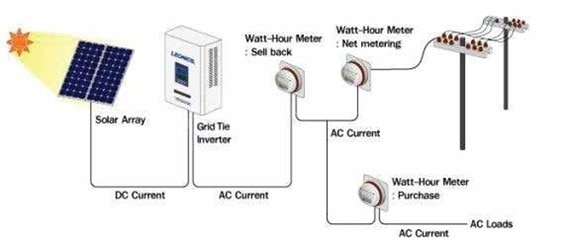
| Metering | Obtain DISCOM approval and installation of a bidirectional meter, such as the applicable net meter. | Generation alone does not prove an eligible commissioned connection. |
| Inspection | Make the system available for the DISCOM’s site inspection and verification. | Faults, mismatched documents or unauthorised equipment can delay approval. |
| Commissioning | Secure the DISCOM commissioning certificate after the meter and system pass verification. | The subsidy claim cannot move to payment without commissioning confirmation. |
After commissioning, the approved central assistance enters the scheme payment process for your bank account or eligible loan account; it is not automatically an upfront discount from the installer. Keep the invoice, consumer bill, vendor details, inspection record and commissioning certificate together.
A registered solar EPC such as Nature Tek Solar Pvt Ltd can help match the system to your sanctioned load, coordinate the vendor and DISCOM paperwork, and correct installation issues before inspection. Ask who will submit each portal document and who will arrange the bidirectional meter.
Related products
 | Services Our Solar Rooftop Systems are tailored for residential, commercial, and industrial buildings. View product → |
 | Products An On-Grid Solar System, also known as a Grid-Tied System, is connected to the main power grid. View product → |
Frequently asked questions
Who qualifies as an individual household applicant under PM Surya Ghar?
A residential electricity consumer with a valid, grid-connected domestic connection can apply. Eligibility does not depend on income-tax status, BPL status, caste, or owning a detached house.
Can tenants, landlords, and apartment residents apply?
Tenants can apply when they have a domestic electricity connection and written permission to install and use the rooftop system. Landlords can apply for eligible domestic premises. Apartment residents need access to a usable roof or an approved common-area arrangement, plus the required society or owner permissions.
Which electricity connections and premises are excluded?
The scheme is for domestic residential connections. Commercial, industrial, and agricultural connections do not qualify under the household category. A property without a valid grid connection, or a site where the system cannot be approved and connected by the DISCOM, cannot receive the household subsidy.
How much subsidy can an eligible rooftop system receive?
The central subsidy covers 60% of the benchmark cost for the first 2 kW and 40% of the benchmark cost for the next 1 kW. The maximum central subsidy is ₹78,000 for a system of 3 kW or more.
Which steps release the PM Surya Ghar subsidy?
Apply through the PM Surya Ghar portal, select an eligible vendor, install the approved system, and submit the required details. The DISCOM then inspects the installation, installs or approves the net meter, and issues the commissioning documents. Provide accurate bank details so the subsidy can be transferred after approval.