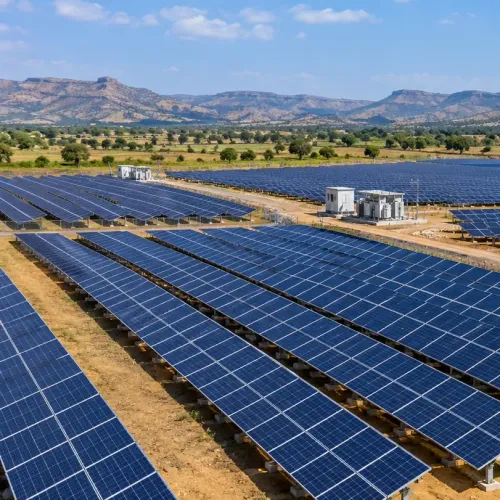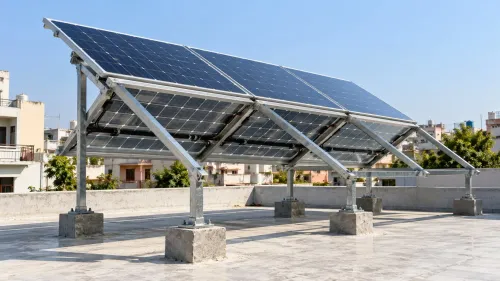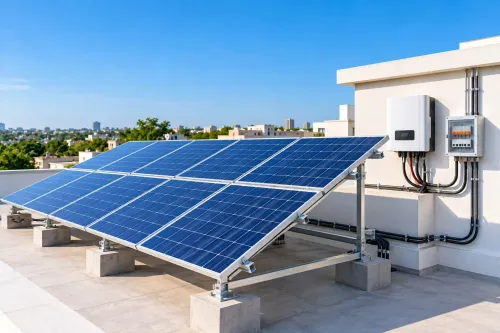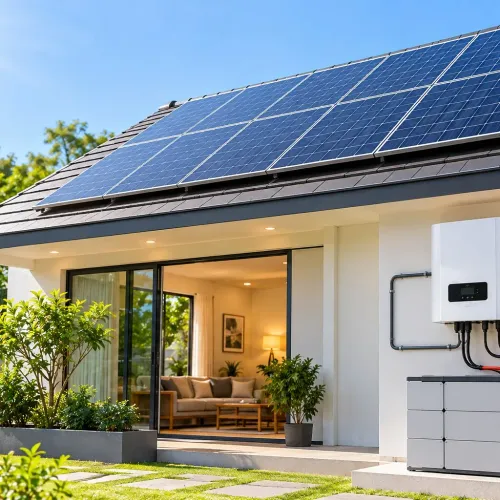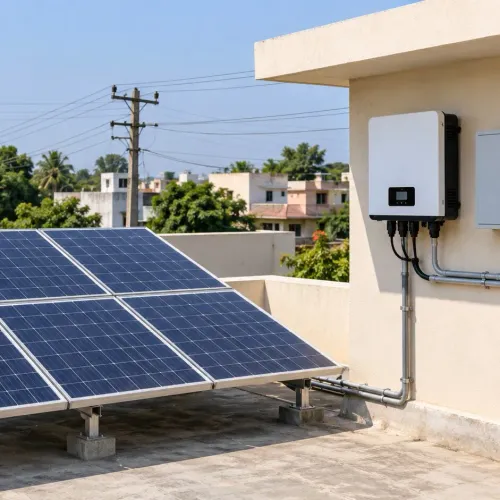

The PM Suryaghar Solar in Nashik initiative has generated significant interest among homeowners looking to reduce electricity bills through rooftop solar installations. As awareness of renewable energy continues to grow, many families are exploring how this government initiative can help them transition to cleaner and more affordable power.
Understanding the scheme before beginning the installation process can help homeowners make informed decisions and avoid common misunderstandings.
What Is the PM Suryaghar Scheme?
The PM Suryaghar initiative is a government-backed program that encourages eligible households to install rooftop solar systems. Its primary objective is to increase residential solar adoption while reducing dependence on conventional electricity.
Apart from supporting clean energy generation, the initiative aims to:
- Encourage sustainable living
- Improve household energy independence
- Promote rooftop solar adoption
- Reduce long-term electricity expenses
- Contribute to India's renewable energy goals
The scheme follows specific eligibility requirements, technical standards, and approved procedures that applicants should understand before installation.
Why Homeowners in Nashik Are Showing Interest
Nashik experiences favorable sunlight conditions throughout most of the year, making rooftop solar an efficient option for residential properties.
Homeowners are increasingly considering solar because it can help:
- Reduce monthly electricity bills
- Utilize unused rooftop space
- Lower dependence on rising electricity tariffs
- Support environmentally responsible living
- Increase long-term household savings
These benefits make rooftop solar an attractive investment even beyond government incentives.
Preparing Before You Apply
Proper preparation makes the installation process smoother.
Homeowners should begin by evaluating:
Current Electricity Consumption
Review electricity bills over the past year to estimate average monthly usage.
Roof Suitability
A technical inspection should confirm:
- Structural strength
- Available installation area
- Roof orientation
- Possible shading issues
Required System Capacity
Installing the correct system size ensures optimal financial returns while meeting household energy needs.
Documentation
Government schemes generally require specific documentation during the application process. Preparing these documents early helps prevent delays.
Why Professional Site Assessment Matters
Every rooftop is different.
Professional assessments consider:
- Roof dimensions
- Panel placement
- Electrical connections
- Safety standards
- Future expansion possibilities
This detailed planning helps maximize energy generation over the system's lifespan.
Common Questions Homeowners Ask
Will Solar Completely Eliminate Electricity Bills?
The reduction depends on electricity consumption, system size, weather conditions, and applicable net metering policies. Most households experience significant savings rather than complete elimination of bills.
Is Maintenance Difficult?
No. Residential rooftop systems generally require periodic cleaning and occasional inspections to maintain efficient performance.
How Long Do Solar Panels Last?
Most quality solar panels are designed for more than 25 years of productive operation with gradual performance decline over time.
Can Older Homes Install Solar?
Many older homes are suitable, provided the roof passes structural evaluation and electrical integration can be completed safely.
Choosing a Reliable Installation Company
The success of any rooftop solar project depends on proper planning and installation quality.
When comparing providers, consider:
- Industry experience
- Technical expertise
- Equipment quality
- Installation standards
- After-sales support
- Warranty coverage
Nature Tek Solar Pvt Ltd assists homeowners by evaluating each property's unique requirements and recommending rooftop solar solutions that align with both present and future energy needs.
Making an Informed Solar Investment
Government initiatives like the PM Suryaghar program have made residential solar more accessible, but careful planning remains essential. Instead of focusing solely on incentives, homeowners should prioritize system quality, professional installation, and long-term performance.
For families in Nashik, investing in rooftop solar is not just about reducing electricity costs—it is also about creating a more sustainable home. With the right planning, quality components, and experienced installation support, a residential solar system can deliver dependable clean energy and financial savings for decades to come.
Keywords