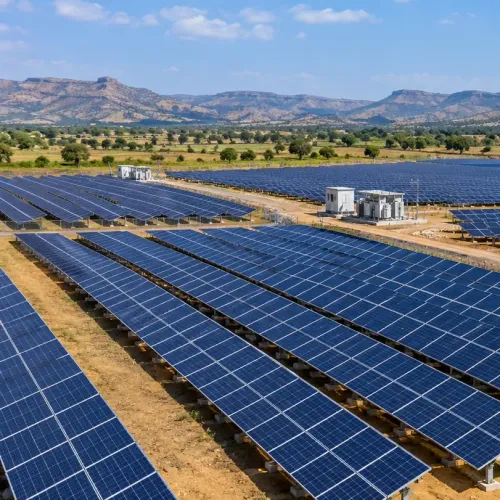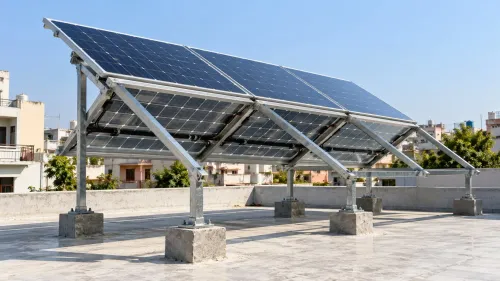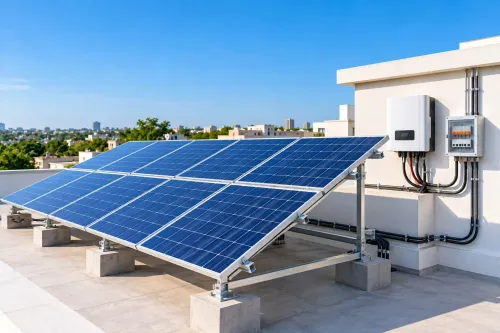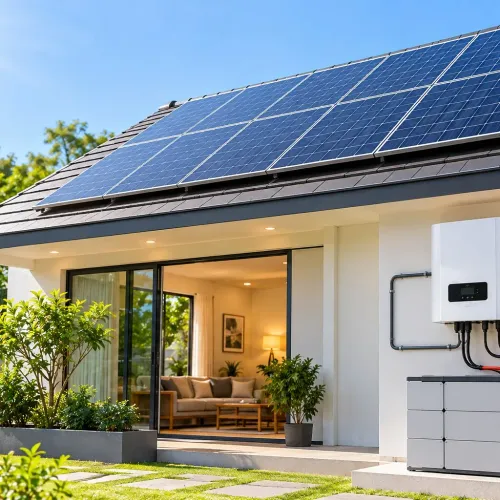
Among the different types of solar solutions available today, on-grid solar systems in Nashik are one of the most popular choices for residential, commercial, and institutional properties. These systems are connected directly to the local electricity grid, allowing users to generate solar power during the day while continuing to access grid electricity whenever required.
An on-grid system is particularly suitable for locations with a reliable electricity supply and consistent daytime energy consumption. It provides an efficient way to lower electricity costs without the need for battery storage, making it a cost-effective option for many property owners.
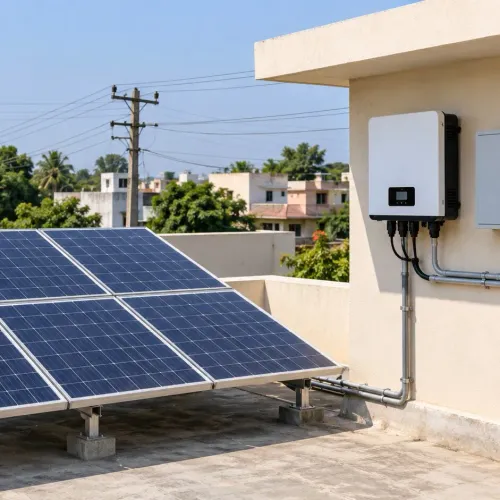
The basic working principle is simple. Solar panels installed on the rooftop generate electricity whenever sunlight is available. This electricity powers the building's electrical appliances first. If the system produces more electricity than the building consumes, the excess energy can be exported to the electricity grid through a net meter, subject to applicable utility regulations.
The main components of an on-grid solar system include:
- Solar photovoltaic panels
- Grid-tied inverter
- Mounting structure
- Net meter
- Electrical protection equipment
- Monitoring system
These components work together to provide safe and efficient energy generation throughout the day.
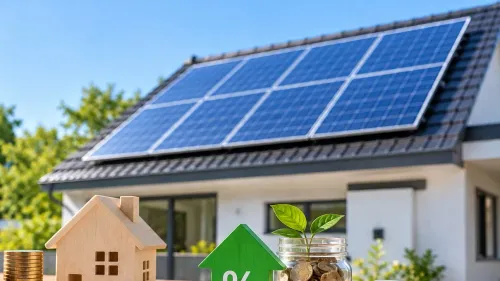
One of the biggest advantages of an on-grid system is affordability. Since batteries are not required, installation costs are generally lower compared to hybrid or off-grid systems. Battery maintenance and replacement expenses are also eliminated.
Some of the key benefits include:
- Lower monthly electricity bills
- Better utilization of rooftop space
- Reduced carbon emissions
- Low maintenance requirements
- Long operational lifespan
- Improved return on investment
On-grid systems are suitable for various property types, including:
- Independent homes
- Apartment complexes
- Commercial offices
- Educational institutions
- Hospitals
- Retail outlets
- Hotels
- Warehouses
- Manufacturing units
Before installation, several technical factors should be evaluated carefully.
Electricity Consumption Pattern
Buildings that consume more electricity during daytime working hours often achieve greater savings because solar energy is used immediately after it is generated.
Roof Condition
The rooftop should be structurally sound and free from excessive shading. Proper panel placement helps maximize electricity production.
System Capacity
Choosing the right capacity ensures the system aligns with actual electricity requirements. An accurate assessment prevents underperformance or unnecessary investment.
Equipment Quality
Reliable inverters, durable mounting structures, certified solar panels, and quality electrical protection devices contribute to long-term system reliability.
Many people assume that an on-grid solar system stops working whenever there is a power outage. This is generally true because grid-tied systems automatically shut down during outages as a safety measure for utility workers. Property owners requiring backup power during blackouts may consider hybrid systems that combine solar generation with battery storage.
Routine maintenance mainly involves cleaning the panels periodically and scheduling inspections to verify system performance. Most modern systems also include monitoring software that allows users to track electricity generation and identify any unusual performance changes.
Nashik's abundant sunshine makes it well suited for on-grid solar installations. Commercial establishments, schools, healthcare facilities, and homeowners are increasingly adopting these systems to reduce operating costs while contributing to cleaner energy generation.
Choosing an experienced installation company is an important step toward achieving the expected performance. Nature Tek Solar Pvt Ltd emphasizes proper site assessment, accurate system sizing, quality equipment selection, and professional installation practices to help customers achieve reliable long-term results.
As electricity prices continue to rise, on-grid solar systems provide an effective solution for reducing recurring energy expenses while supporting sustainable development. For property owners planning a long-term investment, an efficiently designed on-grid solar system offers dependable performance, lower operational costs, and cleaner energy generation for many years to come.
Keywords